

Resident Evil
Description
Resident Evil 2026: A New Beginning and a New Hope
Back in 2012, Capcom released the sixth mainline entry in the Resident Evil universe. After the game’s resounding failure, the studio took a brief pause to rethink its approach. A few years later, they released the seventh installment, shocking dedicated fans with a completely new vision. Since then, Capcom has been releasing high-quality remakes and sequels almost every year. And everyone is happy. Players are thrilled to get some of the best games in the industry, and the studio is thrilled with the sales numbers.
But if Capcom found a formula for success where everyone is happy, the Resident Evil cinematic universe went down a completely different path.
In 2002, a German studio that bought the rights to the game adaptation released the horror film Resident Evil. This was followed by worldwide fame, audience love, and cult status. But the film had little in common with the game itself. And the subsequent sequels drifted even further from the source material.
The second and third Resident Evil films were successful. But, in my opinion, the plot development left much to be desired. However, if you compare them to the later sequels (which, judging by the box office, were also successful), the second and third films look surprisingly decent in comparison.
Over time, I even started to like the second film. It partially captures the atmosphere of the third game. And the third one is actually not bad, except for the final battle with Wesker. But I emphasize: this is a perspective shaped twenty years ago.
Over the past twenty years, the Resident Evil cinematic universe turned into a parody of itself. There were some good ideas — with the plot, the visuals, or the musical score. But these were just isolated pieces of the puzzle. Overall, the quality dropped significantly. Yet, dedicated fans kept going to the theaters no matter what, bringing the studio some profit. That is, there was no real incentive to improve the quality of the films. But eventually, the franchise was put out of its misery anyway.
This was followed by two reboot attempts:
Resident Evil: Welcome to Raccoon City (2021). The visual style of the film was great. And that’s probably its only merit.
It didn’t take long for Netflix to roll out its own version of Resident Evil as a series. What we saw horrified everyone, and the project was canceled. I watched two or three episodes. And if they hadn’t stretched the runtime with flashbacks, it might have even been watchable. Lance Reddick is a great actor (you remember the amazing sci-fi series Fringe, right?). He plays Wesker here, but the plot of the series is so different from the game and cinematic universes that, apart from the surname, nothing connects him to the Wesker we know. Unfortunately, this was Lance Reddick’s last role.
And, perhaps, I will still watch the series because of Reddick’s involvement and a few other successful scenes of the post-apocalyptic future.
But let’s return to the present, where Zach Cregger (Barbarian, Weapons) is now in charge of reviving the franchise (and, let’s hope, its new beginning). In a way, it’s a new mission for the horror genre. Before him, there were Robert Eggers and Ari Aster. But after big budgets came into their films, they both lost their way a bit. At least, for me. These are more psychological dramas with elements of arthouse. But not necessarily the films for hardcore horror fans.
Zach Cregger is walking the path that Christopher Nolan once paved. He creates films with a distinct authorial vision (but doesn’t get lost in arthouse obscurity), and at the same time, these films look expensive, are liked by, and are accessible to a wide audience. Which is usually incompatible, since a distinct authorial vision is often not aimed at a mass audience, and studios are afraid to spend big money on such films.
Although the comparison is not entirely correct. The budgets of Nolan and Cregger are in completely different leagues. But at the same time, Cregger can shoot beautifully without sacrificing his vision for relatively small amounts of money. And everyone wins. The viewers are happy with the quality of the film, and the studios are happy with the box office receipts. And since the invested funds are not that large, there is no need to sacrifice the quality of the film just to recoup the budget.
The budget for Barbarian was just $4.5 million. By Hollywood standards, that’s just pennies. Weapons already cost $38 million. I assume the new Resident Evil will cost about the same.
In most cases, directors have to make concessions and play it safe so that their films are understandable to the majority, follow certain trends, and preferably get a PG-13 rating. And for about 10 years now, we have been observing these hybrid films that try to please and appeal to everyone. But in the end, they don’t appeal to anyone and fail at the box office.
But thanks to the aforementioned directors and studios like A24 and NEON, who acted as saviors of the film industry in the horror genre, we regularly get quality horror films. Yes, they don’t always reveal themselves on the first watch, and sometimes they are shocking. But that’s exactly what they should be — there should be variety. We shouldn’t mass-produce all films according to the same template.
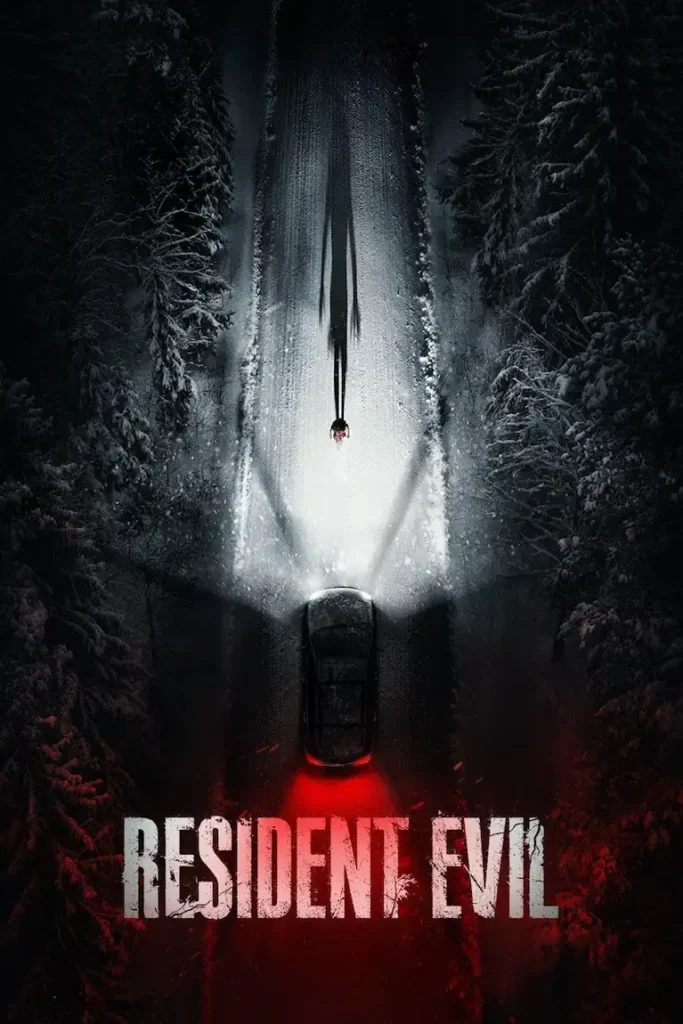
And judging by the new trailer for Resident Evil by Zach Cregger, we are in for a real reimagining with a distinct authorial vision. All that’s left is to wait for September 18 (depending on your region, the date may be different).
And if you want to read a bit more about the history of the Resident Evil cinematic universe, I covered it in detail in my article and film collection about George Romero and his zombie universe.