


Alpha
Description
Alpha — I lost the thread of the narrative, meaning I stopped understanding what was happening in the second half of the film.
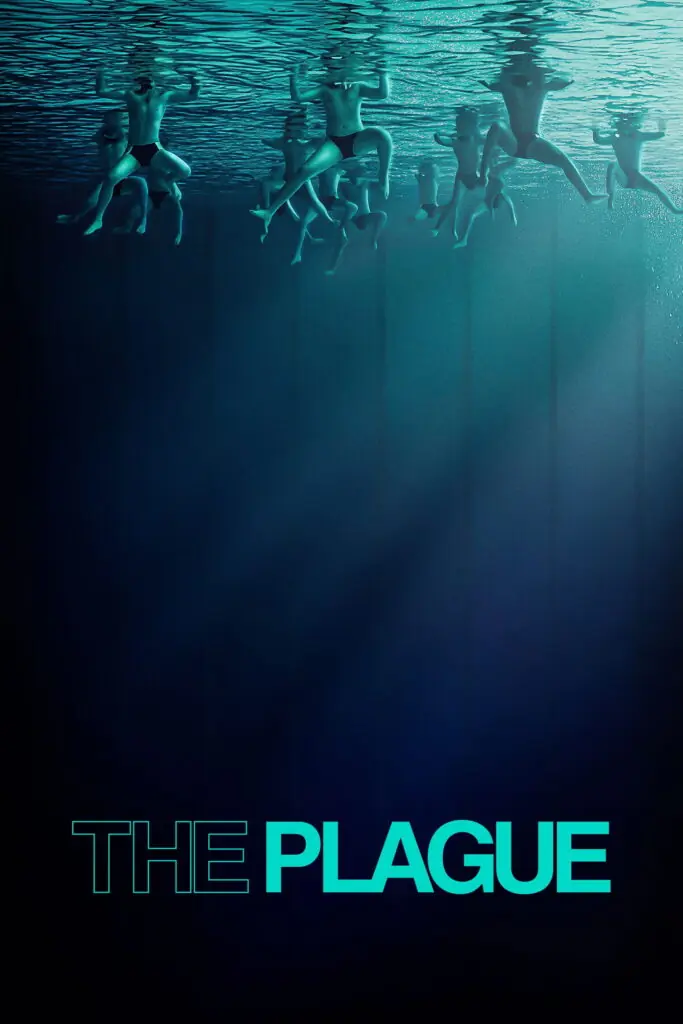
In the near future, an unexplained disease runs rampant, slowly turning people into statues. It’s unclear whether it spreads through the air or through blood. This breeds widespread paranoia and a fear of the surrounding world.
Against this apocalyptic backdrop, thirteen-year-old Alpha (that’s the girl’s name) gets a tattoo at a party while drunk. The question of whether she might have contracted an infection becomes the driving force of the plot.
The test results won’t be back for two weeks, and even then, they offer no guarantee that the girl is completely healthy.
Throughout this time, her classmates keep their distance, while her mother tries to figure out if her child is actually sick.
Suddenly, the girl’s uncle appears—who also happens to be a drug addict with years of habit. His arrival makes the narrative confusing. Flashbacks start mixing with reality.
I’m leaning toward the idea that the uncle is just an echo of her mother’s past—she saved him from overdoses more than once. In reality, he doesn’t exist; he’s been dead for a long time.
I liked the direction, the atmosphere, and the visual aesthetics, but I wish there was more clarity.
Raw is one of Julia Ducournau’s early films and one of my favorites—it’s much more straightforward.
Titane—I still haven’t gotten around to watching it.
I have to mention Ducournau’s taste in music. She weaves tracks from the world of indietronica and alternative electronic music into her films, and Alpha is no exception. It feels like she’s just slipping in a couple of her personal favorite tracks that don’t interfere with the main score at all.